What We Do in Tanzania
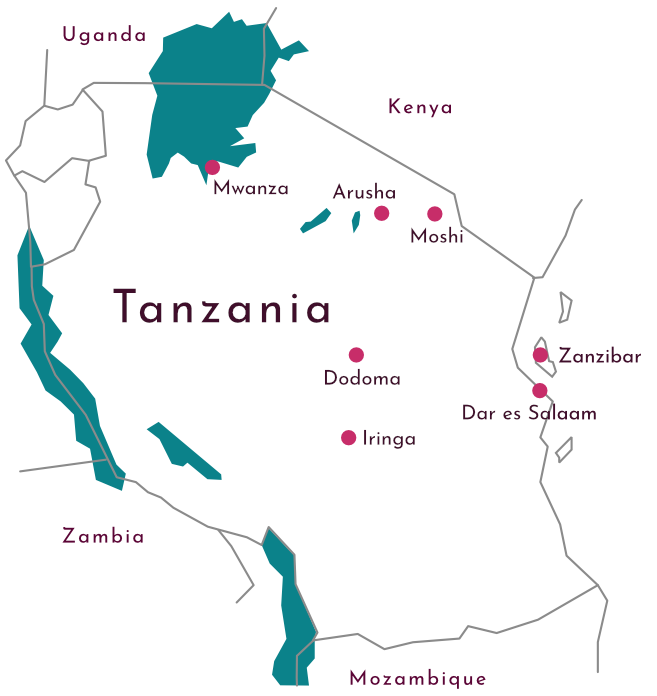
Country Overview
Tanzania, located in East Africa, is known for its rich landscapes, wildlife, and cultural heritage. It borders Kenya, Uganda, Rwanda, Burundi, the Democratic Republic of the Congo, Zambia, Malawi, and Mozambique. The country covers nearly 945,000 square kilometers, making it one of the largest nations in Africa. The capital is Dodoma, while Dar es Salaam remains the commercial hub. With a population of over 61 million, Tanzania is a multi-ethnic society where more than 120 ethnic groups coexist peacefully.
Social Situation
Despite significant progress in various sectors, Tanzania continues to face major social challenges, particularly in gender equality and education. Education for women and girls has improved, but many barriers remain, especially in rural areas. Early marriage, poverty, and limited access to secondary education prevent many girls from continuing their schooling. While primary school enrollment rates are high, dropout rates increase significantly as girls get older—often due to social pressures or the need to support their families at home.


The Role of Local Organizations and Schools
In Tanzania, local non-governmental organizations (NGOs) and private educational institutions make an essential contribution to social development. They complement government structures where resources are limited and provide access to education, care, and social support for children and young people from low-income families.
Many of these schools and organizations were founded by dedicated teachers or community initiatives and offer high-quality education tailored to local needs. Especially in rural areas, they open up new perspectives for children and youth—regardless of gender, origin, or religion.
Children from low-income backgrounds can only participate through scholarships or sponsorships – and this is precisely where our support programs come in.
Our Approach
Instead of short-term project logic, we focus on:
- Long-term commitment over short-lived campaigns: Sustainable impact takes time. We support ongoing processes – even when they’re not flashy, but truly effective.
- Empowerment over dependency: Education, training, and self-determined action are at the heart of our support.
- Local leadership over remote control: Decisions are made by our partners on the ground – we trust their knowledge, experience, and cultural context.
- Transparent communication and a culture of feedback: We maintain open, honest, and respectful dialogue with everyone involved – as equals.
- Sensitivity in representation and language: We critically reflect on our role as an organization from the Global North and ensure respectful, stereotype-free communication.
Our Project Partners in Tanzania
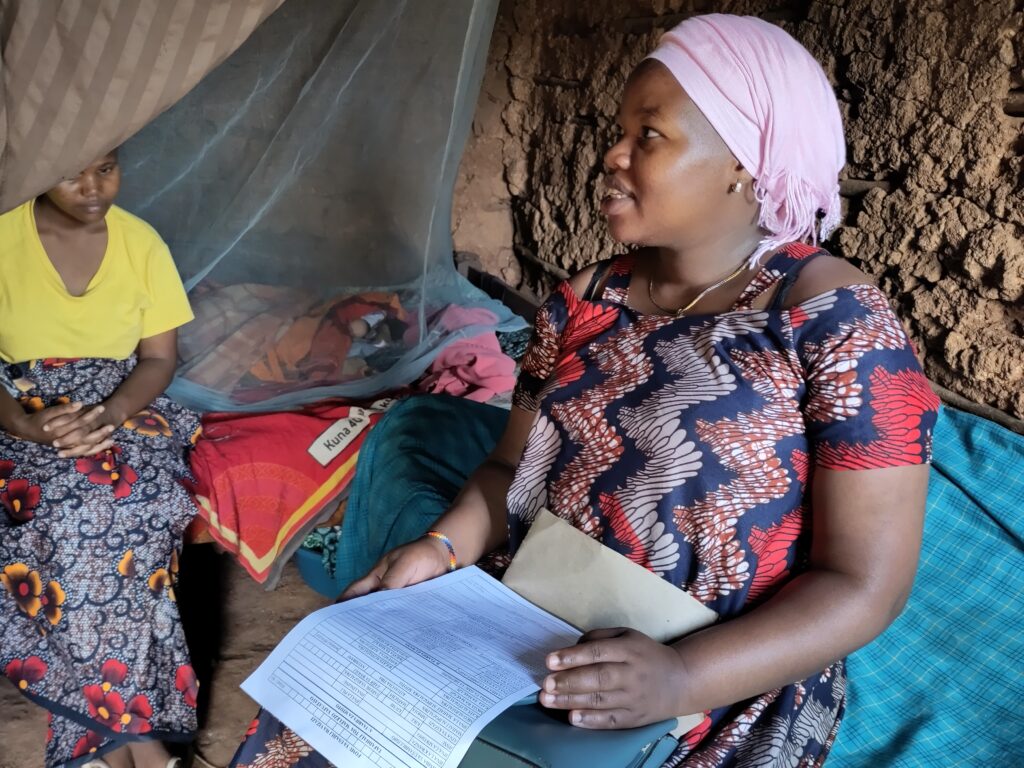
Our work in Tanzania is based on long-term partnerships and the firm belief that true change can only happen together. We do not see ourselves as saviors, but as supportive companions. Our local partner organizations know best what is needed – we listen, support, strengthen, and provide funding where necessary.